Project Question: How does virtual reality evoke fear in heritage experiences, and what is its psychological impact on visitors?
Context: Virtual reality offers unprecedented opportunities to transform heritage tourism through immersive storytelling. This project investigates how VR technology can create emotionally engaging horror narratives within authentic cultural settings—specifically, the Edinburgh Dungeons—while maintaining cultural authenticity and visitor wellbeing.
Objectives
Explore VR's capacity to elicit psychological presence and fear responses
Evaluate how horror narratives enhance heritage engagement
Assess the ethical implications of fear-based experiences in cultural tourism.
Develop design principles for immersive heritage VR experiences
Methodology: Mixed-methods approach combining:
Case study analysis of existing VR horror experiences (IT: Float, Titanic VR, A Chair in a Room)
Site selection and environmental mapping of Edinburgh Vaults
Literature review on fear psychology, VR immersion, and heritage tourism
Research through design with iterative prototyping
Key Insights:
Fear Psychology in VR:
VR's isolating headsets and 360° environments make virtual threats feel perceptually real
Triggers genuine fight-or-flight responses (goosebumps, accelerated heart rate)
Sense of presence amplifies emotional reactions compared to traditional media
Heritage Integration:
Edinburgh Vaults: one of UK's most haunted locations
Rich history of paranormal activity and dark folklore
Atmospheric underground architecture ideal for VR recreation
High tourist interest in macabre experiences
Design Elements:
Binaural 3D audio creates spatial awareness and tension
Environmental storytelling builds atmosphere
Reactive elements respond to user presence
Balance between immersion and accessibility
Narrative Approach: Created a short horror experience grounded in Edinburgh Vaults' authentic history, featuring:
Atmospheric dungeon exploration
Building tension through sound design and visual cues
Strategic use of jump scares and psychological horror
Cultural authenticity rooted in local legends
Visual Language:
Dark, moody color palette reflecting underground setting
Flickering candlelight and dynamic shadows
Historically accurate architectural details
Gothic horror aesthetic
Audio Strategy:
Layered soundscape: footsteps, wind, whispers, screams
Binaural audio for directional cues
AI-generated voice narration
Silence used strategically to build tension
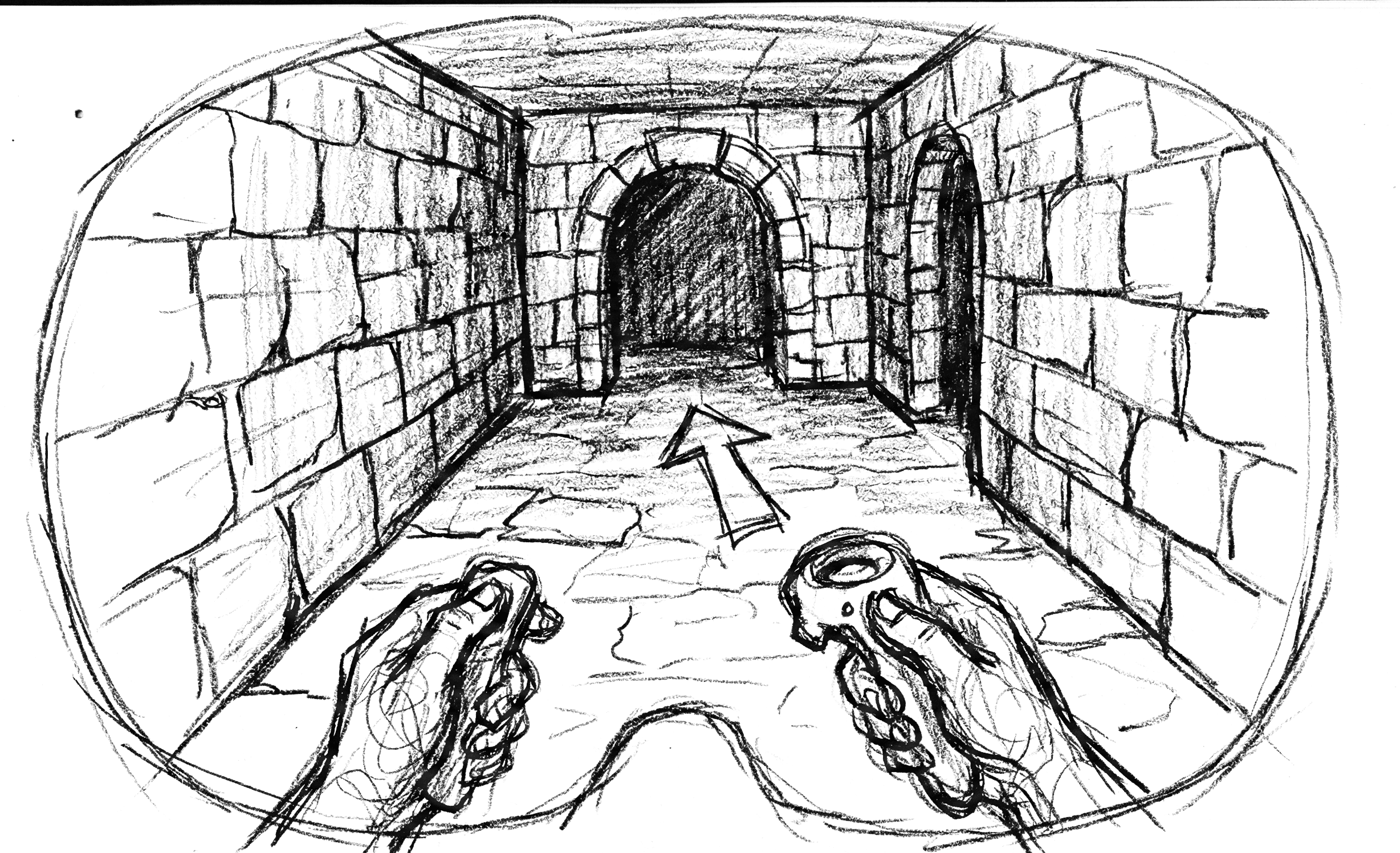

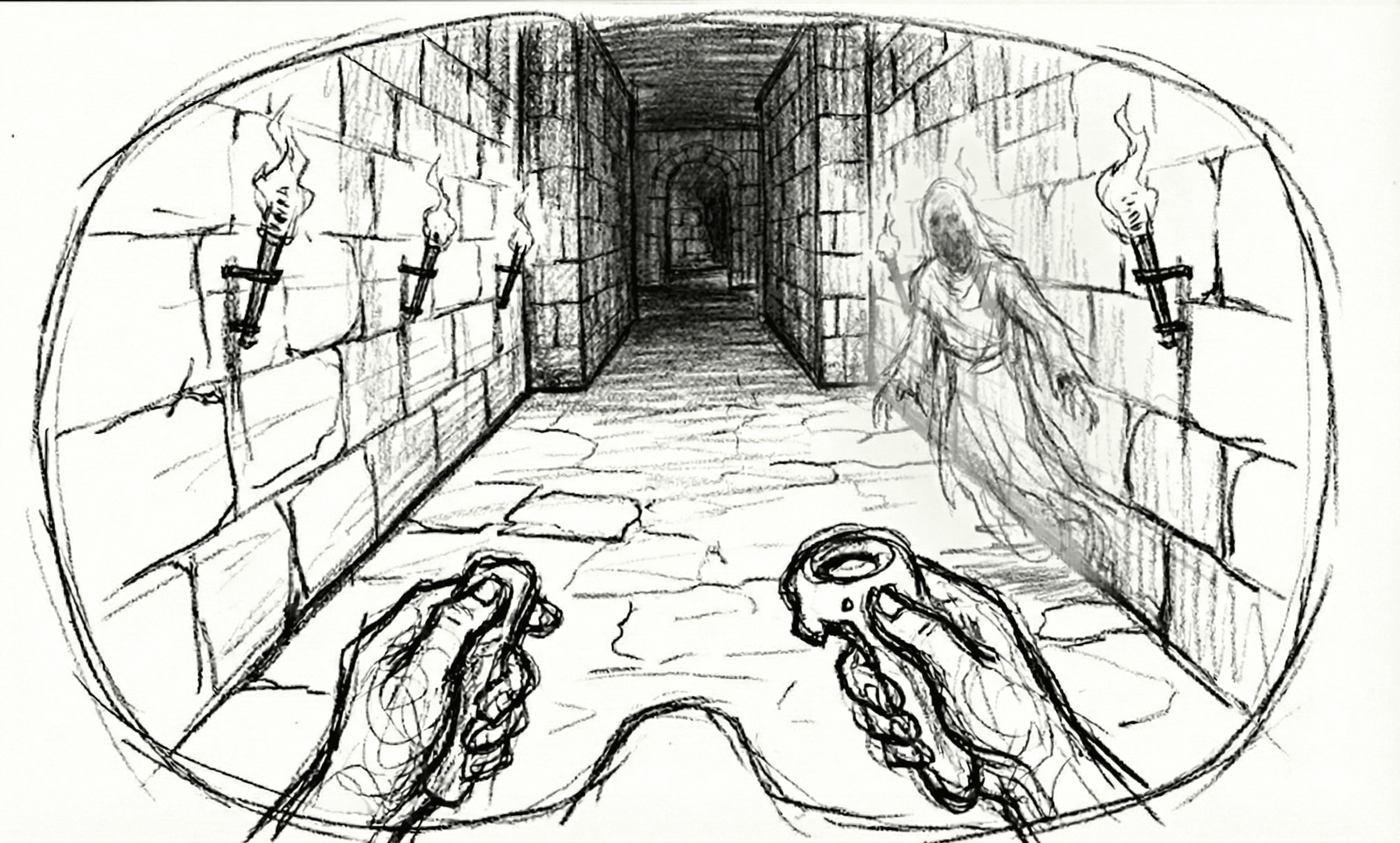

Storyboard panels showing key moments - entrance, exploration, tension build-up, climax]
Production Pipeline:
Technical Specifications:
Runtime: ~2 minutes
Format: 360° VR video
Platform: YouTube VR, Google Cardboard compatible
Software: Cinema 4D, After Effects, Premiere Pro
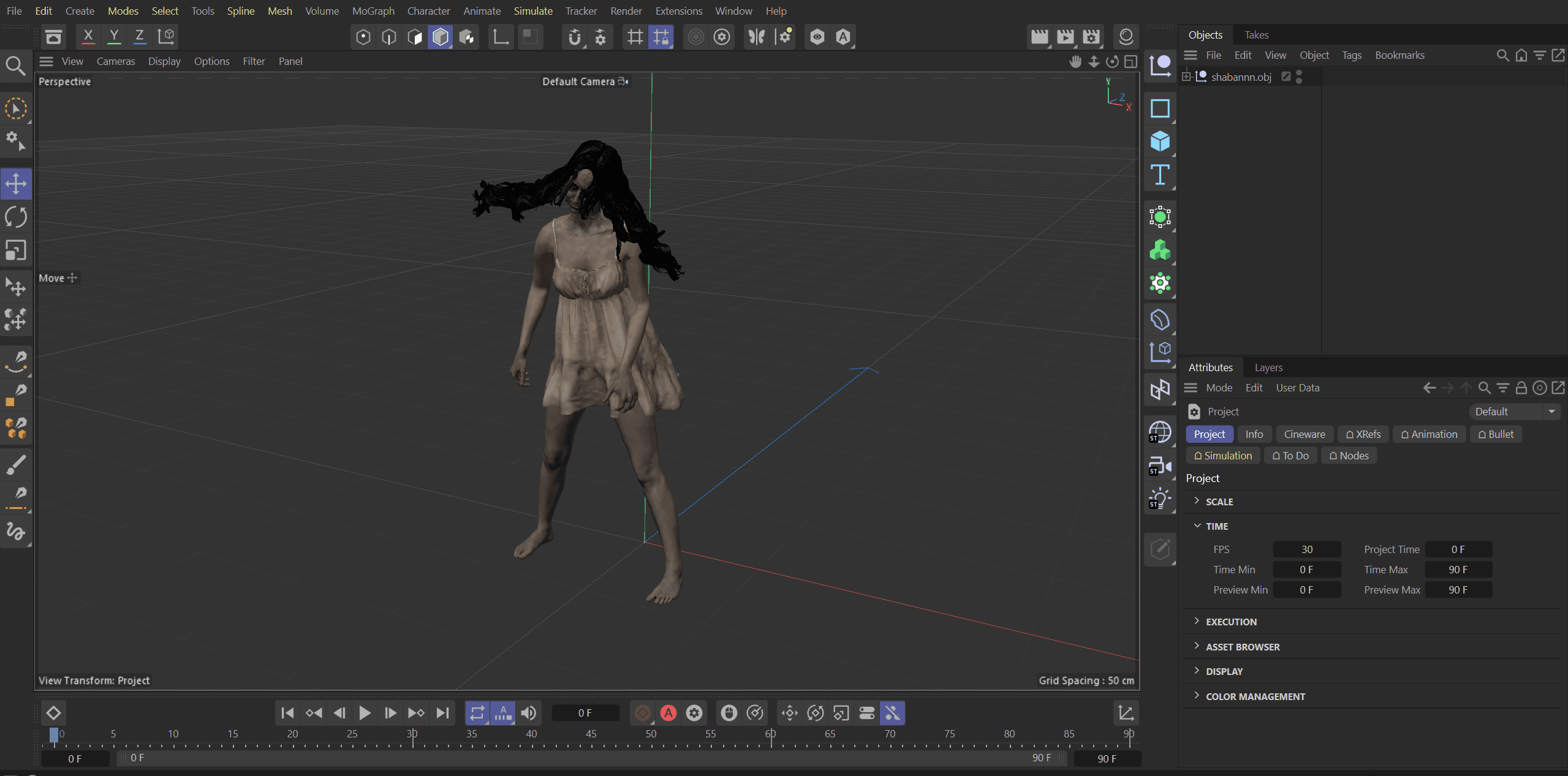
3D Environment Creation:
Modeled Edinburgh Vaults architecture in Cinema 4D
Created modular assets: barrels, lanterns, stone walls
Attention to historical accuracy and atmospheric detail

VR Composition:
Adobe After Effects with Element 3D plugin
360° scene arrangement for immersive viewing
Dynamic camera movements for narrative pacing

Sound Design:
Multi-layered audio in Adobe Premiere Pro
Binaural processing for spatial audio
Synchronized audio-visual elements for maximum impact
Post-Production:
Color grading for ominous mood
VR-specific rendering considerations
Optimization for Google Cardboard/headset viewing
Qualitative Themes:
What Worked:
"Excellent sound design... the tense buildup was really effective" (P2)
"The flickering lights and camera movement made me feel uneasy and was really sinister" (P1)
"The environment brought back memories of visiting the vaults" (P5)
Improvement Areas:
Duration too short (under 2 minutes)
Desired more interactivity and control
Visual fidelity could be enhanced
Ghost character needed refinement
Camera movement caused some eye strain
Key Insights:
✓ Successfully elicited fear and emotional engagement
✓ Audio design was particularly effective
✓ Cultural authenticity resonated with local users
△ Visual quality needs improvement for full immersion
△ Longer duration would enhance storytelling
△ User agency/interactivity highly desired
Final Deliverable: A 2-minute immersive VR horror experience set in Edinburgh Vaults, viewable via VR headset or Google Cardboard
Design Principles Established:
Emotional Immersion: Combine visual, audio, and narrative elements for maximum impact
User Agency: Interactivity enhances engagement and memorability
Technical Fidelity: High-quality graphics/audio crucial for presence
Cultural Authenticity: Ground experiences in genuine historical context
Ethical Considerations: Balance fear induction with visitor wellbeing
Heritage Tourism Implications:
Benefits Identified:
Expands access to restricted or closed heritage sites
Reduces physical wear on fragile historical locations
Enables remote/disabled visitors to experience heritage
Enhances educational engagement through emotional connection
Promotes sustainable tourism alternatives
Applications:
Preview experiences for tourists planning visits
Educational tools for schools and museums
Accessibility solutions for disabled visitors
Preservation of endangered heritage sites
Revenue stream for heritage organizations